LavanisLavanis

Featured

Hand Washing Mechanics: Friction, Water Flow, and Time

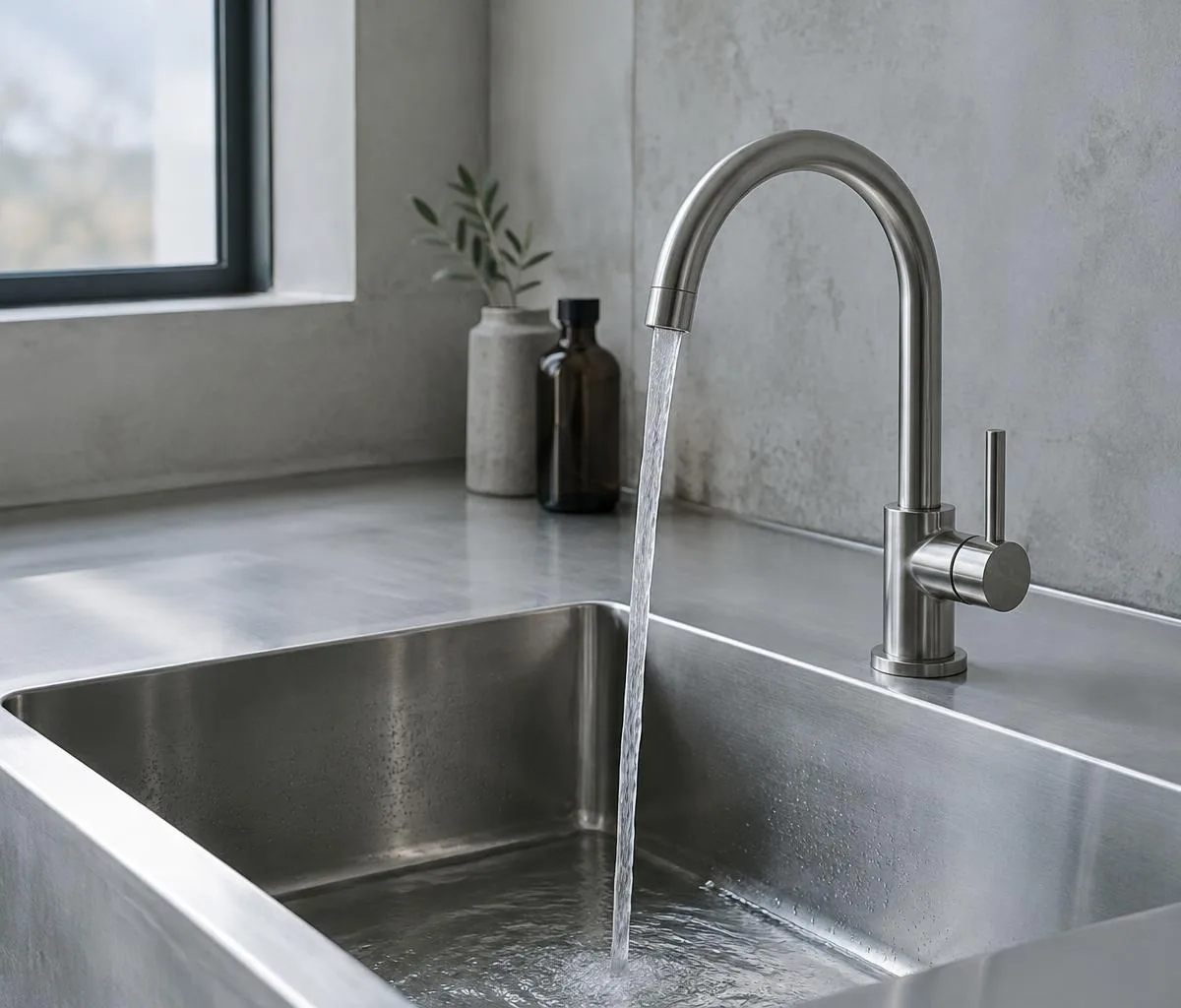
You will understand how mechanical friction detaches pathogens from skin crevices more effectively than water temperature alone. You will be able to structure a thorough cleansing sequence that covers all high-contact hand surfaces.

Read article 9 min read
Hand Washing Mechanics: Friction, Water Flow, and Time

Recent Publications

All articles
Evaluating Cleansing Oil Mechanisms on Sebum
Surfactants and Formulation 9 min read

Evaluating Cleansing Oil Mechanisms on Sebum

You will understand the solvent action of lipid-based cleansers on oxidized surface sebum and water-resistant films. You will be able to integrate oil-phase cleansing without inducing follicular occlusion.

Read article
Loofahs, Brushes, and Washcloths: Microbial Risks
Skin Cleansing Protocols 8 min read

Loofahs, Brushes, and Washcloths: Microbial Risks

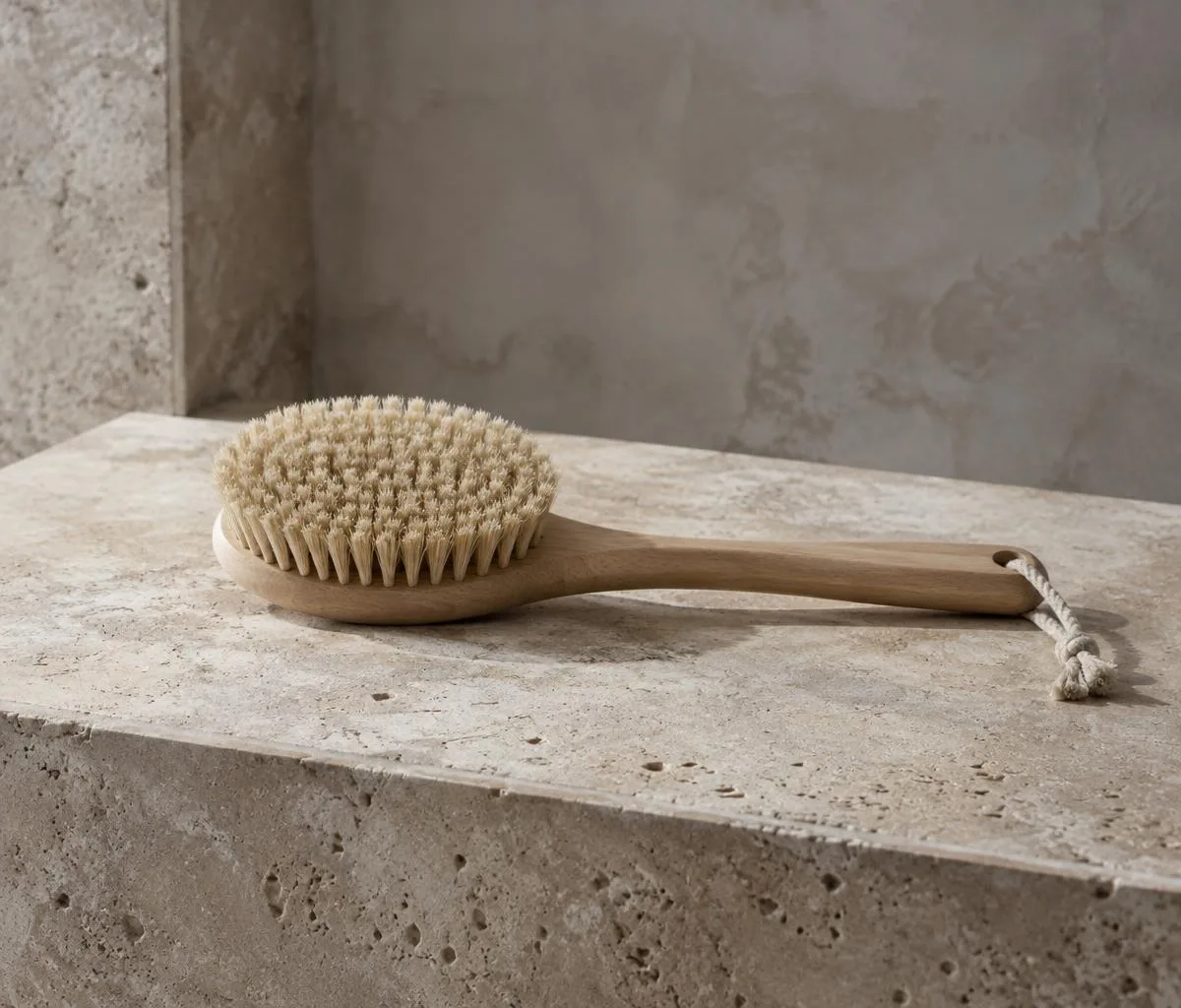
You will evaluate the sanitary risks linked to physical exfoliation tools stored in humid shower enclosures. You will be able to disinfect or replace these accessories before biofilm establishment occurs.

Read article

More on Skin Cleansing Protocols

Systematic methods for daily bathing, barrier maintenance, and managing skin microbiome balance.

All documentation under this classification
Scalp Sebum Regulation and Shampoo Frequency
Skin Cleansing Protocols 10 min read

Scalp Sebum Regulation and Shampoo Frequency

You will learn how follicular density and sebum secretion rates dictate your optimal hair washing intervals. You will be able to maintain Malassezia control without depleting scalp lipids.

Read article
Loofahs, Brushes, and Washcloths: Microbial Risks
Skin Cleansing Protocols 8 min read

Loofahs, Brushes, and Washcloths: Microbial Risks

You will evaluate the sanitary risks linked to physical exfoliation tools stored in humid shower enclosures. You will be able to disinfect or replace these accessories before biofilm establishment occurs.

Read article

Long reads

Evaluating Cleansing Oil Mechanisms on Sebum
Surfactants and Formulation9 min read

Evaluating Cleansing Oil Mechanisms on Sebum

You will understand the solvent action of lipid-based cleansers on oxidized surface sebum and water-resistant films. You will be able to integrate oil-phase cleansing without inducing follicular occlusion.

Antiseptic Washes vs Plain Soap for Daily Hygiene
Surfactants and Formulation9 min read

Antiseptic Washes vs Plain Soap for Daily Hygiene

You will understand the clinical differences between non-targeted antiseptic cleansers and standard mild surfactants. You will be able to determine when antimicrobial additives are genuinely necessary.

Browse by topic

How we write

Editorial policy

Unbiased Documentation

All washing protocols are written without commercial interest or cosmetic brand sponsorships.

Exact Terminology

We define soap, surfactant, and water temperature variables clearly in every routine description.

Open Public Access

Every publication in our digital library is free to read without subscriptions or paywalls.

Editorial Fact Checking

Drafts undergo systematic review against official sanitation reference texts prior to release.

More on Surfactants and Formulation

Technical analyses of detergents, cleansing bases, and their biological interactions with human skin.

All documentation under this classification
Antiseptic Washes vs Plain Soap for Daily Hygiene
Surfactants and Formulation 9 min read

Antiseptic Washes vs Plain Soap for Daily Hygiene

You will understand the clinical differences between non-targeted antiseptic cleansers and standard mild surfactants. You will be able to determine when antimicrobial additives are genuinely necessary.

Read article
Evaluating Cleansing Oil Mechanisms on Sebum
Surfactants and Formulation 9 min read

Evaluating Cleansing Oil Mechanisms on Sebum

You will understand the solvent action of lipid-based cleansers on oxidized surface sebum and water-resistant films. You will be able to integrate oil-phase cleansing without inducing follicular occlusion.

Read article

Questions readers ask

who writes the hygiene and washing guides

Editorial staff and technical writers compile each guide using public health literature. Every draft is reviewed by our editorial director in Valencia before publication.

how is this hygiene publication funded

Our publication operates independently through educational grants and direct reader contributions. We do not sell ad space or accept sponsored articles.

how to suggest a hygiene topic for review

Readers can submit topic recommendations through our editorial contact form. Our research team assesses submissions against existing sanitation handbooks and schedules accepted topics for future releases.

what is the best water temperature for washing

Warm water between 35 and 38 degrees Celsius effectively dissolves soap lather without stripping skin lipids. Hot water can dry the epidermal surface, while cold water reduces soap foaming efficiency.

About Lavanis

Lavanis is edited by technical writers and researchers for readers seeking clear, evidence-based hygiene guidelines. The publication translates microbiological concepts and dermatological literature into plain operational procedures for daily skin cleansing. Every article is verified against clinical trials and public health documentation prior to publication.

About us

Contact the Editors

Submit proposed revisions, question a citation, or request coverage of a specific hygiene topic. Our editorial office reviews incoming messages every business morning.

Send us a message

Working hours: Mon-Sat 09:15-17:00
Expected response time: Response provided within one business day